-
Zinc



Tecnoseal
TA0651-AF-37/MP
00704BIS - Tecnoseal Zinc Collar Anode for Volvo 290 Duo-Prop 0.47kg
MSRP: £18.00£16.01 -
Aluminium


Tecnoseal
PC4835-SP-38/MP
KITVOLVODP290/AL-C - Tecnoseal Aluminium Volvo 290-C Duo-Prop Engine Anode Kit
MSRP: £52.00£43.42 -
Zinc


Tecnoseal
PC0495-AF-37/MP
KITVOLVODP290 - Tecnoseal Zinc Volvo 290 Duo-Prop Engine Anode Kit
MSRP: £40.00£38.82 -
Aluminium


Tecnoseal
AO1711-AF-37
00704BISAL - Tecnoseal Volvo DP280 DP290 875821 Aluminium Anode
MSRP: £20.00£19.08 -
Zinc


Tecnoseal
AO1295-AF-37
00817 - Tecnoseal Zinc Anode 806189 for Mercury & Mercruiser Sterndrive
MSRP: £10.00£6.54 -
Zinc


Tecnoseal
PC3746-AF-37/MP
KITVOLVODP290-C - Tecnoseal Zinc Volvo 290-C Duo-Prop Engine Anode Kit
MSRP: £52.00£49.66 -
Aluminium

Tecnoseal
TA0644-AF-37
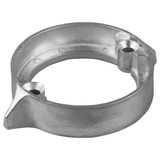
KITVOLVODP290/AL - Tecnoseal Aluminium Volvo 290 Duo-Prop Engine Anode Kit
MSRP: £52.00£44.21 -
Magnesium

Tecnoseal
AO1620-AF-37
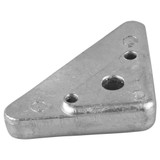
00717MG -Tecnoseal Magnesium Anode for Volvo Penta SX and DPX Outdrive (3861583)
MSRP: £12.00£9.56 -
Zinc


-
Aluminium

Tecnoseal
AO1946-AF-37
00717AL - Tecnoseal Aluminium Anode for Volvo Penta SX and DPX Outdrive (872793)
MSRP: £12.00£7.58 -
Zinc


Tecnoseal
AO1501-AF-37
01157 - Tecnoseal Zinc Yamaha Hydra Drive Sterndrive Plate Anode
MSRP: £64.00£63.40 -
Magnesium


Tecnoseal
AO1654-AF-37
00707MG - Tecnoseal Volvo 873179 Magnesium Anode for AQ250-285 Transom
MSRP: £32.00£21.49 -
Aluminium


-
Magnesium


Tecnoseal
PC4837-AF-37
KITVOLVODP290MG-C - Tecnoseal Magnesium Volvo 290-C Duo-Prop Engine Anode Kit
MSRP: £70.00£49.92 -
Aluminium


-
Aluminium

Tecnoseal
AO1050-AF-37
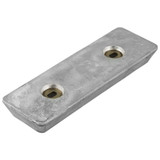
00739AL - 23172849 Aluminium Volvo IPS Transom Plate Anode
MSRP: £84.00£73.55 -
Aluminium
MG Duff
AO2254-AF-33
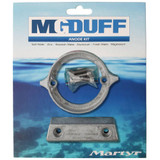
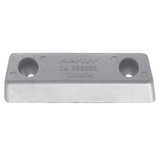
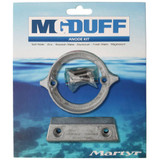
CMV290DPKITA - MG Duff Aluminium Volvo 290DP Sterndrive Anode Kit
MSRP: £34.13£25.95 -
Zinc


Tecnoseal
PC4754-SP-41
00717 - Tecnoseal Zinc Volvo Penta Triangle Anode Plate 0.11kg
MSRP: £8.00£6.89 -
Zinc

-
Aluminium


Tecnoseal
AO1671-AF-37
KITYANMARSTDAL - Tecnoseal Aluminium Yanmar Sterndrive ZT350-ZT370 Anode Kit 196450-02490
MSRP: £98.00£90.49 -
Aluminium


Tecnoseal
PC4815-AF-37
KITBRAVOII-III AL - Tecnoseal Aluminium Mercury Bravo 2 & 3 Engine Anode Kit
MSRP: £52.00£42.45 -
Magnesium


Tecnoseal
AO1034-AF-37
00702MG - Tecnoseal 875805 Magnesium Anode for Volvo Penta V17 270 Drive Sterndrive
MSRP: £20.00£17.17 -
Zinc


-
Magnesium

-
Aluminium

MG Duff
AO2245-AF-33
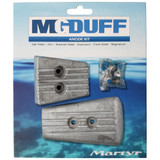
CMDPSKITA - MG Duff Aluminium Volvo SXA & DPS Drive Anode Kit
MSRP: £58.80£45.25 -
Aluminium


Tecnoseal
AO1109-AF-37
00817AL - Tecnoseal Aluminium Anode 806189 for Mercury Collar For Trim Cylinder
MSRP: £12.00£8.64 -
Zinc


Tecnoseal
PC4838-SP-38/MP
KITVOLVODPH/DPR - Tecnoseal Zinc Volvo DPH/DPR Drive Engine Anode Kit
MSRP: £64.00£51.29 -
Aluminium

Tecnoseal
PC4839-SP-38
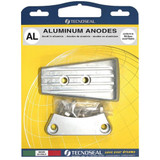
KITVOLVODPH/DPR/AL - Tecnoseal Aluminium Volvo DPH/DPR Drive Engine Anode Kit
MSRP: £42.00£34.52 -
Zinc
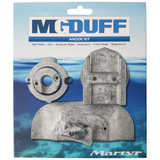

MG Duff
AO2269-AF-33
CMALPHAKITZ - MG Duff Zinc Mercruiser Alpha 1 Gen 2 Anode Kit
MSRP: £64.00£54.95 -
Aluminium


Tecnoseal
AO1102-AF-35
00807AL - Tecnoseal Aluminium Alpha One/Bravo One Nut Anode 55989
MSRP: £10.00£5.70 -
Aluminium


Tecnoseal
AO1745-AF-37
00708AL - Tecnoseal Volvo 852835 Aluminium Anode for 290 Drive Transom
MSRP: £24.00£19.93 -
Zinc
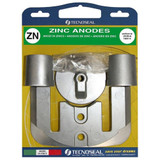
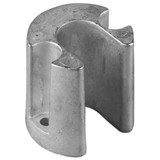
Tecnoseal
PC4814-AF-37
KITBRAVOII-III - Tecnoseal Zinc Mercury Bravo 2 & 3 Engine Anode Kit
MSRP: £84.00£60.93 -
Aluminium
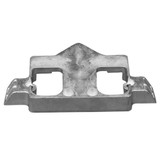

Tecnoseal
AO1502-AF-37
01157AL - Tecnoseal Aluminium Yamaha Hydra Drive Sterndrive Plate Anode
MSRP: £58.00£51.95 -
Zinc


Tecnoseal
AO1504-AF-37
01159 - Tecnoseal Zinc Plate Anode for Yamaha Hydra Drive Sterndrives 6U4-45251-00
MSRP: £48.00£37.74 -
Zinc

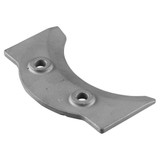
Tecnoseal
AO1503-AF-37
01158 - Tecnoseal Zinc Plate Anode for Yamaha Hydra Drive Sterndrive 6U4-45373-00
MSRP: £30.00£24.38 -
Aluminium


Tecnoseal
AO1730-AF-35
00702AL - Tecnoseal 875805 Aluminium V17 Anode for Volvo Penta 270 Sterndrive
MSRP: £28.00£15.57

Sterndrive Anodes
Sterndrive anodes for outdrive corrosion protection
Sterndrive anodes are replaceable sacrificial anodes that help protect submerged drive components from galvanic corrosion. Also known as outdrive anodes, they are designed to wear away in service, helping to protect more expensive parts such as the drive housing and transom assembly.
At Anode Outlet, you can shop sterndrive anodes by brand, metal and type, including complete anode kits, individual block anodes and ring anodes. Find options for Mercury MerCruiser, OMC, Volvo Penta, Yamaha and Yanmar installations, alongside our dedicated category for Volvo Penta IPS drive anodes.
What do sterndrive anodes protect?
Galvanic corrosion can develop when different metals are electrically connected in water. On a sterndrive, an aluminium housing and stainless steel propeller are one example of a combination that can create this risk. Sacrificial anodes use a more electrochemically active material that corrodes preferentially, helping protect the connected components.
A sterndrive can have several anodes in different positions. Depending on the model, these may be fitted to the gearcase, transom shield, gimbal housing, trim cylinders or around the propeller assembly. Check the manufacturer's anode location diagram: replacing one visible anode does not confirm that every required position is protected.
Shop sterndrive anodes by brand and drive model
Start with the drive manufacturer and exact model, then confirm the part number and any serial number restrictions. The engine's horsepower or model name alone may not identify the outdrive fitted to your boat.
- Mercury MerCruiser sterndrive anodes – browse replacements for the Alpha and Bravo applications specified in each listing. Check the drive generation and serial number carefully.
- OMC Cobra sterndrive anodes – match your replacement to the relevant Cobra drive and original part reference.
- OMC Evinrude sterndrive anodes – compare the listed applications, dimensions and mounting arrangements for your installation.
- Volvo Aquamatic, SX and DP sterndrive anodes – identify the exact drive designation before selecting an individual anode or kit.
- Volvo Duoprop sterndrive anodes – find options for the twin-propeller drive applications stated on the product pages.
- Volvo Penta IPS drive anodes – browse anodes for compatible IPS installations. IPS is a pod drive system with its own anode requirements.
- Yamaha sterndrive anodes – check the replacement against your drive's parts information and existing anode reference.
- Yanmar sterndrive anodes – select using the specific drive model and the compatibility information supplied with the product.
A brand category helps narrow the search, but does not make every product within it interchangeable. A similar shape or matching bolt spacing is only part of the compatibility check.
How to choose the correct sterndrive anode
- Identify the outdrive: record the full model designation, generation and serial number where available.
- Find the original part reference: use the drive's parts catalogue to identify the anode or kit required.
- Confirm the installation: account for the transom assembly, propeller arrangement and any corrosion protection equipment fitted.
- Choose the approved anode metal: follow the drive manufacturer's guidance for the water where the boat is kept and used.
- Check every anode position: compare the required locations with the contents of a kit or the individual parts you are buying.
- Check the hardware: confirm whether screws, washers or other fittings are included and which must be renewed.
If the boat has been repowered or the drive replaced, use the details of the equipment currently fitted. An old invoice or a previous owner's description may refer to a different installation.
Aluminium, magnesium or zinc sterndrive anodes?
Anode metal affects how the protection system works in different water conditions. The following is a general guide for conventional aluminium sterndrives; the manufacturer's specification for your exact drive takes priority.
| Anode metal | Typical application |
|---|---|
| Aluminium sterndrive anodes | Commonly specified for salt and brackish water. Confirm the approved alloy and water suitability for your drive. |
| Magnesium sterndrive anodes | Fresh water applications where specified. Magnesium anodes must not be used in salt or brackish water. |
| Zinc sterndrive anodes | Salt water applications for which zinc is specified. Do not assume zinc is suitable for every drive or water type. |
Brackish water is a mixture of salt and fresh water, commonly found in estuaries and tidal rivers. If your boat moves between different water types, check the anode requirements before the move.
Volvo Penta recommends aluminium for many salt and brackish water applications, while some older drives retain zinc specifications. IPS and other specialist installations can have different requirements at different anode positions, so use their dedicated parts and maintenance information.
Sterndrive anode kits, block anodes and ring anodes
Sterndrive anode kits
Sterndrive anode kits group together anodes for a stated drive application. They can make ordering easier when several anodes need replacing during servicing. Check the kit's contents against your installation: the word “kit” does not guarantee that every anode or fixing on your boat is included.
Sterndrive block anodes
Sterndrive block anodes are individual sacrificial components made for specific mounting positions. Confirm the part number, profile, fixing-hole arrangement and metal before ordering. A block of similar dimensions may not be the correct replacement for your drive.
Sterndrive ring anodes
Sterndrive ring anodes have a circular or shaped ring profile for the drive applications listed. Check the internal diameter, thickness, mounting points and clearance around nearby components. Follow the drive's fitting procedure, including any requirement to remove the propeller for access.
When should sterndrive anodes be replaced?
Inspect sterndrive anodes regularly and follow the replacement limit in the drive manual. Mercury recommends replacement when approximately half of an anode has been consumed. Other manufacturers and components may specify an earlier limit, so 50% should not be treated as a universal rule.
Check every required position whenever the boat is lifted, and at the intervals specified between lifts. Look for substantial wear, cracking, loose fixings and surface deposits. Also inspect the surrounding drive for paint blistering, exposed metal or pitting that may indicate a corrosion problem.
Fitting and maintaining sterndrive anodes
A correctly shaped anode needs a sound electrical connection to the component it protects. This is often called electrical continuity. Follow the manufacturer's instructions for preparing the contact surfaces, installing the specified hardware and tightening the fixings.
- Leave the anode exposed: do not cover its working surface with paint, antifouling or protective coatings.
- Maintain the drive coating: repair damage using a coating system approved for the drive material.
- Check bonding connections: have damaged or disconnected continuity wires repaired according to the manufacturer's instructions.
- Check immersion: anodes must be in the water to protect submerged components. Follow the manufacturer's advice on the drive's moored position.
- Follow the cleaning instructions: use the recommended method and tools for the anode and any active protection components fitted.
Sterndrive anode FAQs
Do I need sterndrive anodes in fresh water?
Yes. Corrosion can occur in fresh water as well as salt water. Use the anodes specified for your drive and freshwater conditions; do not assume the anodes fitted for coastal use remain appropriate when the boat moves inland.
Does a MerCathode system replace sacrificial anodes?
No. MerCathode provides active corrosion protection, but the drive still requires its specified sacrificial anodes. Maintain both systems and follow the instructions for testing, cleaning and power supply. An active protection electrode is not an ordinary replacement sacrificial anode.
Why are my sterndrive anodes wearing away quickly?
Water conditions, changes to the propeller or submerged metal accessories, coating damage and electrical faults can affect consumption. A sudden increase or visible corrosion on the drive needs investigation. A marine electrical or corrosion specialist can assess the protection at the boat's usual berth.
Is an anode that still looks new working correctly?
Not necessarily. Little visible wear can reflect a low demand for protection, but it can also indicate poor electrical contact, an unsuitable material or an inactive surface layer. Check the installation and investigate any corrosion on the drive rather than relying on appearance alone.
Are all Volvo Duoprop anodes the same?
No. Duoprop describes a twin-propeller arrangement used across different drive models. Identify the exact drive designation and check the listed part references, mounting positions and metal. A Duoprop label alone is not enough to select the correct anode kit.
Should I check the anodes after fitting a stainless steel propeller?
Yes. Changing propeller material can alter the corrosion protection requirements. Have the installation checked against the drive manufacturer's guidance, particularly if consumption increases or the drive develops coating damage. Adding extra anodes without checking the system is not a substitute for assessing the cause.
Find the right replacement sterndrive anodes
Browse by drive brand, anode metal or product type above to narrow your options. For help identifying a replacement, have the drive model, serial number, existing part references and water type ready, together with details of the propeller and any active corrosion protection system.
Why shop with Anode Outlet?
Since our founding back in 2009 we've been helping boat owners worldwide keep their vessels protected with our leading range of zinc, magnesium and aluminium sacrificial anodes for boats - so whether you require a sterndrive anode for a Volvo Aquamatic SX, Volvo Single Prop Sterndrive, Yanmar Sterndrive; or even a shaft anode, hull anode, engine anode or any other anode for that matter, you've come to the right place! If you can't find the anode you're looking for on our website, get in touch.
Call us on 01634 568011 or email info@anodeoutlet.co.uk and a member of our highly experienced team will be on hand to assist with any queries you have. We pride ourselves on our customer service, and aim to make it as easy as possible for you to find the right anodes for your requirements; so if you have a mystery anode, contact us, and we will help you identify it! All our orders are shipped out on a fully tracked, next working day service - although if your order is urgent, please call us on 01634 568011 to confirm stock availability.