-
On Sale!Zinc


Tecnoseal
AO1290-AF-35
03509 - Tecnoseal Zinc Vetus Prop Nut Anode BP195
MSRP: £34.00Was: £27.46Now: £21.99 -
On Sale!Aluminium
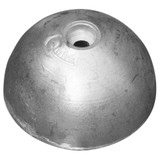

Tecnoseal
AO1741-AF-37
03609AL - Tecnoseal Aluminium Quick Bow Thruster Anode BTQ110 BTQ125 TQ11000
MSRP: £12.00Was: £9.32Now: £7.99 -
On Sale!Zinc
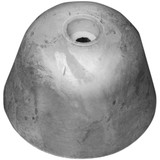

Tecnoseal
AO1879-AF-35
03703 - Tecnoseal Zinc Craftsman Thruster Anode BA.250.90007
MSRP: £44.00Was: £35.88Now: £28.99 -
On Sale!Aluminium

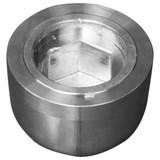
Tecnoseal
AO1844-AF-30
01053AL - Tecnoseal Aluminium Sidepower Anode 501180 SP55 HYD, SH240/SH550
MSRP: £50.00Was: £44.06Now: £35.99 -
On Sale!Zinc

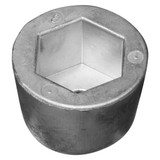
Tecnoseal
AO1276-AF-40
01051 - Tecnoseal Zinc Sidepower Anode 101180
MSRP: £20.00Was: £15.18Now: £11.99 -
On Sale!Zinc

Tecnoseal
AO1272-AF-40
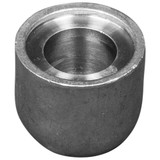
01060 - Tecnoseal Max Power Zinc Prop Nut Anode
MSRP: £18.00Was: £10.01Now: £7.99 -
On Sale!Zinc

Tecnoseal
AO1808-AF-35
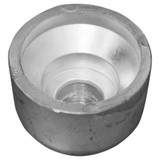
03501 - Tecnoseal Zinc BCS Thruster Anode
MSRP: £34.00Was: £27.63Now: £22.99 -
On Sale!Zinc
Tecnoseal
AO1289-AF-37
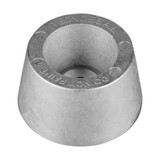
03503 - Tecnoseal Zinc Vetus Conical Bow Thruster Anode
MSRP: £38.00Was: £31.76Now: £25.99 -
On Sale!Zinc


Tecnoseal
AO1280-AF-35
03608 - Tecnoseal Zinc Quick Bow Thruster Anode BTQ300/TQ3000
MSRP: £38.00Was: £30.90Now: £24.99

Thruster Anodes
Bow & Stern Thruster Anodes
Thruster anodes help protect the submerged metal components of compatible bow and stern thrusters from galvanic corrosion. These replaceable sacrificial anodes gradually corrode as they work, helping protect the thruster's gearleg, tailpiece or other metal components covered by its protection system.
At Anode Outlet, you can browse thruster anodes by brand and metal, including options for BCS, Craftsman Marine, Lewmar, Max Power, Quick, Side-Power/Sleipner, Vetus and Volvo Penta installations. Match your replacement to the exact thruster model, original part reference and operating environment.
What does a thruster anode do?
Galvanic corrosion can occur when different metals are electrically connected in water. A sacrificial anode uses a more electrochemically active material that corrodes preferentially, helping protect the connected underwater components. This process is called cathodic protection.
The anode needs an effective electrical connection to the component it protects and direct contact with the water. Paint, unsuitable surface deposits or a poor mounting connection can prevent it from working properly.
Protection matters while the boat is moored as well as during manoeuvres. A thruster that runs for only a few seconds at a time can still have metal components immersed for months. Infrequent use does not remove the need to inspect the anodes specified for the installation.
How to choose the correct thruster anode
Use the thruster's identification details and spare-parts diagram as your starting point. The boat's engine brand, battery voltage or tunnel diameter alone will not reliably identify the correct replacement.
- Identify the thruster: record the manufacturer, full model designation and serial number where available.
- Find the original anode reference: compare the manufacturer's part number with the replacement product's stated compatibility.
- Check the shape and mounting: confirm the dimensions, fixing arrangement, seating profile and clearance around the propeller or gearleg.
- Select the approved alloy: follow the thruster manufacturer's guidance for the water where the boat is kept and used.
- Confirm the quantity: check every anode position shown in the parts diagram, including any separate fittings on retractable equipment.
- Check the fixings: establish whether the product includes its retaining screw, washers or other required hardware.
A similar-looking anode is not necessarily interchangeable. Its contact surface and profile can be just as important as its outside diameter. If the original anode is heavily worn, use the parts reference rather than trying to identify it from its remaining shape alone.
Shop thruster anodes by brand
Choose the relevant brand below, then check the individual product's application and part references. Anodes within one brand's range can differ between thruster models and generations.
- BCS thruster anodes – find replacements for the BCS applications specified in the product listings.
- Craftsman Marine thruster anodes – match your replacement to the relevant thruster and original part reference.
- Lewmar thruster anodes – browse options for the compatible TT-series models identified on the product pages.
- Max Power thruster anodes – check your exact model's parts information to confirm whether an anode is required.
- Quick thruster anodes – compare replacements for the BTQ, BTR and other applications stated in each listing.
- Side-Power and Sleipner thruster anodes – use the model and anode reference to identify the correct replacement.
- Vetus thruster anodes – check compatibility with your thruster's tailpiece and specified mounting arrangement.
- Volvo Penta thruster anodes – browse replacements for the compatible QL thruster applications listed.
Aluminium, magnesium or zinc thruster anodes?
The appropriate anode metal depends on the thruster's specification, the anode alloy and the water conditions. Use the table below as a general starting point, then check the manufacturer's recommendation for your installation.
| Anode metal | Typical application |
|---|---|
| Aluminium thruster anodes | Salt and brackish water where specified. Certain marine aluminium anode alloys are also approved for fresh water; confirm suitability for the thruster and product. |
| Magnesium thruster anodes | Fresh water applications where specified by the manufacturer. Do not use magnesium anodes in salt or brackish water. |
| Zinc thruster anodes | Salt water applications for which zinc is specified. Zinc can become inactive in fresh water and should not be treated as a universal choice. |
Brackish water is a mixture of fresh and salt water, commonly found in estuaries and tidal rivers. If the boat changes cruising area or berth, review the anode specification before moving between water types.
Do not assume all aluminium anodes have identical properties. Sacrificial anodes use purpose-made alloys, and the manufacturer's approval matters. For example, Sleipner describes its aluminium anode alloy as suitable for fresh and salt water, so freshwater use does not automatically mean changing every thruster to magnesium.
Check bow and stern thrusters separately
If your boat has both bow and stern thrusters, identify each unit separately. They may be different sizes, models or generations, even when supplied by the same manufacturer. An anode listed for one unit should only be used on the other when compatibility is confirmed.
Check the required number of anodes for each installation. A product may be sold individually rather than as a complete set. During servicing, inspect all specified positions and compare their condition instead of assuming that one remaining anode protects every component.
When should thruster anodes be replaced?
Follow the thruster manufacturer's maintenance schedule and replacement limit. Sleipner recommends replacing the anode before each season or when half has eroded. Vetus advises regular inspection and replacement at least annually, or sooner when more than half is consumed. Your model's instructions determine the appropriate action.
Inspect the anodes whenever the boat is lifted and at the intervals specified between lifts. Check for material loss, cracking, insecure mounting and deposits that may interfere with protection. Keep a record of the fitting date and condition so you can recognise changes in consumption.
Fitting and maintaining a thruster anode
Isolate the thruster's power supply using the manufacturer's procedure before working near its propeller or moving parts. Follow the installation instructions for the replacement anode, including the specified fixing arrangement, tightening torque and any required thread-locking product.
- Prepare the contact surfaces: remove deposits using the approved method so the anode has a sound electrical connection.
- Leave the working surface exposed: do not paint or antifoul the anode.
- Use the correct hardware: replace retaining screws or locking components when the instructions require it.
- Check clearance: ensure the fitted anode does not obstruct the propeller or any retracting mechanism.
- Inspect the surrounding equipment: check the tunnel, propeller and gearleg for debris, damage and marine growth while access is available.
Thruster anode FAQs
Do all bow thrusters need an anode?
No. The requirement depends on the design. Some composite drive-leg thrusters, including certain Max Power models, are designed without a sacrificial anode. Check the exact model's manual and parts diagram before ordering or assuming that an anode is missing.
Does the boat's hull anode protect the thruster?
Do not assume it does. Protection depends on the electrical connections and any isolation built into the installation. Maintain the thruster's specified anodes and follow the manufacturer's bonding requirements rather than relying on the presence of a hull anode elsewhere.
Why is my thruster anode wearing away quickly?
Consumption can change with water conditions, the surrounding metalwork and electrical problems. A sudden increase, or corrosion on the thruster despite a fitted anode, needs investigation. A marine electrical or corrosion specialist can assess the installation and conditions at the boat's berth.
Is an anode that still looks new working properly?
Appearance alone cannot confirm protection. Little wear may reflect a low demand, but it can also indicate poor electrical contact, an unsuitable alloy or a surface layer that prevents the anode from working. Check its condition alongside the protected components.
Does a thruster anode protect the electric motor inside the boat?
The sacrificial anode protects the underwater metalwork included in its corrosion protection system. It does not prevent moisture damage to the motor, terminals or other equipment inside the boat. Those components need the separate inspections and maintenance specified by the thruster manufacturer.
Can I select a thruster anode by diameter alone?
No. Diameter is only one measurement. Check the part reference, profile, mounting face, fixing details, alloy and stated model compatibility. An anode that fits over a screw can still have the wrong seating shape or interfere with nearby components.
Find the right replacement thruster anode
Browse by brand or metal above to narrow your options. If you need help identifying a replacement, have the thruster model, serial number, original anode reference and water type ready. Photographs and measurements of the mounting position can also help identify the correct part.
Why shop with Anode Outlet?
We stock a huge range of anodes for a wide range of bow and stern thrusters, including Volvo Penta Thruster Anodes, Vetus Thruster Anodes and Sidepower Sleipner Thruster Anodes.
In addition, we stock thruster anodes for each type of metal:
Aluminium thruster anodes can be used in fresh or salt water, whilst zinc thruster anodes are recommended for salt water thanks to the metals' superior impact strength. Magnesium thruster anodes should only be used in fresh water, as the alloy reacts far more rapidly when exposed to sea water.
If you can't find the anode you're looking for on our website, get in touch.
Call us on 01634 568011 or email info@anodeoutlet.co.uk and a member of our highly experienced team will be on hand to assist with any queries you have. We pride ourselves on our customer service, and aim to make it as easy as possible for you to find the right anodes for your requirements; so if you have a mystery anode, contact us, and we will help you identify it! All our orders are shipped out on a fully tracked, next working day service - although if your order is urgent, please call us on 01634 568011 to confirm stock availability.