
-
On Sale!Magnesium
Tecnoseal
PC4744-AF-37
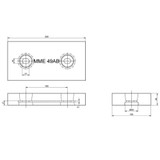
00632 - Tecnoseal Magnesium Hanging Anode Kit
MSRP: £148.00Was: £119.61Now: £95.99 -
On Sale!Aluminium
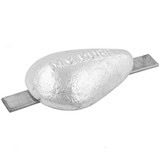
MG Duff
PC4653-AF-33
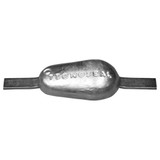
AD76 - MG Duff Aluminium Weld On Pear Anode 0.5kg
MSRP: £19.97Was: £19.99Now: £16.99 -
On Sale!Aluminium
Anode Outlet
AO2066-AF-45
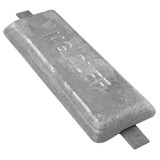
AO49AB - Aluminium Bolt-On Anode 5.23kg
MSRP: £99.49Was: £72.09Now: £54.99 -
Sold OutZinc
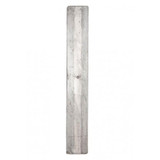
MG Duff
AO1018-AF-33
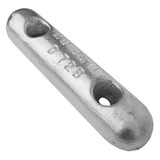
ZD4215UD - Zinc Strip Anode 15 inch Undrilled
MSRP: £44.99Was: £44.99Now: £33.99 -
On Sale!Zinc
Tecnoseal
AO1588-AF-35
00231 - Tecnoseal USA Style Zinc Bolt on Anode 3.7kg 100-110mm Centres
MSRP: £96.00Was: £78.69Now: £62.99 -
On Sale!Zinc
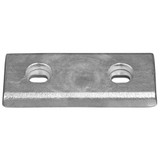
Tecnoseal
AO1269-AF-37
00236 - Tecnoseal Zinc Rectangle Hull Plate With Insert Anode 3.9kg
MSRP: £72.00Was: £58.71Now: £46.99 -
On Sale!Zinc
Tecnoseal
AO1163-AF-35
00264 - Tecnoseal Zinc Bolt on Hull Anode 8kg
MSRP: £168.00Was: £139.24Now: £111.99 -
On Sale!Zinc
Tecnoseal
AO1270-AF-35
00266 - Tecnoseal Sea Ray Zinc Bolt-on Oval Anode 3.9kg
MSRP: £104.00Was: £86.12Now: £68.99 -
On Sale!Zinc
Tecnoseal
AO1860-AF-37
00301 - Tecnoseal Zinc 1kg Weld On Oval Bar Anode
MSRP: £24.00Was: £17.10Now: £13.99 -
On Sale!Zinc
Tecnoseal
PC4709-AF-37
00306 - Tecnoseal Zinc 5kg Weld On Oval Bar Anode
MSRP: £80.00Was: £64.36Now: £51.99 -
On Sale!Aluminium
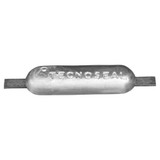
Tecnoseal
AO2381
00307AL - Tecnoseal Weld On Oval Type Hull Anode 3kg
MSRP: £62.00Was: £52.00Now: £39.99 -
On Sale!Zinc
Tecnoseal
AO1785-AF-35
00308 - Tecnoseal 7.8kg Zinc Weld On Anode
MSRP: £128.00Was: £106.28Now: £85.99 -
On Sale!Zinc
Tecnoseal
AO1786-AF-35
00308-5 - Tecnoseal 8.5kg Zinc Weld On Anode
MSRP: £134.00Was: £113.82Now: £91.99 -
On Sale!Zinc
Tecnoseal
PC4711-AF-35
00309 - Tecnoseal Zinc Weld On Oval Anode 10kg
MSRP: £152.00Was: £134.92Now: £107.99 -
On Sale!Aluminium
Tecnoseal
AO2383
00309AL - Tecnoseal Aluminium Weld On Bar Anode 4.5kg
MSRP: £100.00Was: £81.10Now: £64.99 -
On Sale!Magnesium
Tecnoseal
AO2396
00309UKMGLP - Tecnoseal Magnesium Weld on Anode 2.5kg
MSRP: £81.19Was: £66.91Now: £53.99 -
On Sale!Aluminium
Tecnoseal
PC4690-AF-35
00351AL - Tecnoseal Aluminium Weld On Pear Anode 0.86kg
MSRP: £26.00Was: £21.17Now: £15.99 -
On Sale!Zinc
Piranha
AO2311-AFRR-35
2-26071 - Piranha Zinc Bolt On Bar Anode 7kg
MSRP: £213.41Was: £145.06Now: £130.99 -
On Sale!Zinc
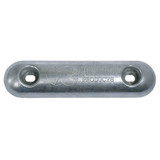
Piranha
AO2310-AFRR-35
2-26072 - Piranha Zinc Bolt On Bar Anode 12kg
MSRP: £352.00Was: £227.57Now: £193.99 -
Sold OutZinc
Piranha
AO2309-AFRR-35
2-26080 - Piranha Zinc Weld On Hull Anode 8.5kg
MSRP: £260.68Was: £232.43Now: £209.99 -
On Sale!Aluminium
Piranha
AO2317-AF-35
2-26080A - Piranha Aluminium Weld On Hull Anode 4kg
MSRP: £116.62Was: £97.73Now: £83.99 -
Sold OutAluminium
-
Aluminium
-
Sold OutAluminium
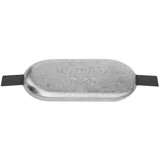
MG Duff
PC4658-AF-33
AD80 - MG Duff Aluminium Weld On Bar Anode 4kg
MSRP: £105.65Was: £129.95Now: £97.99 -
On Sale!Magnesium
-
On Sale!Magnesium
-
On Sale!Aluminium
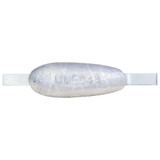
Anode Outlet
AO2070-AF-45
AO02AA - Aluminium Weld On Hull Anode With Insert 0.22kg
MSRP: £15.57Was: £11.32Now: £8.99 -
On Sale!Zinc
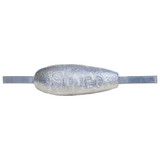
-
On Sale!Aluminium
Anode Outlet
AO2060-AF-45
AO110AB - Aluminium Bolt-On Anode 11.33kg
MSRP: £190.49Was: £138.81Now: £104.99 -
On Sale!Zinc
Anode Outlet
AO2040-AF-45
AO124ZB - Zinc Bolt-On Anode 12.88kg
MSRP: £192.95Was: £140.16Now: £105.99 -
On Sale!Aluminium
Anode Outlet
AO2081-AF-45
AO125A - Aluminium Hull Weld On Bar Anode 12.5kg
MSRP: £190.44Was: £138.50Now: £103.99 -
On Sale!Zinc
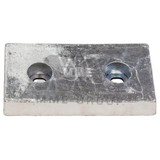
Anode Outlet
AO2041-AF-45
AO130ZB - Zinc Bolt-On Anode 13.33kg
MSRP: £202.49Was: £147.34Now: £110.99 -
On Sale!Zinc
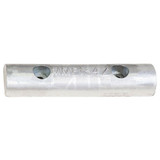
Anode Outlet
AO2042-AF-45
AO134ZB - Zinc Bolt-On Anode 13.88kg
MSRP: £208.49Was: £151.75Now: £113.99 -
On Sale!Aluminium
Anode Outlet
AO2085-AF-45
AO13A - Aluminium Weld On Hull Anode 14.67kg
MSRP: £200.49Was: £145.75Now: £109.99 -
On Sale!Aluminium
Anode Outlet
AO2086-AF-45
AO15A - Aluminium Weld On Hull Anode 16.67kg
MSRP: £229.49Was: £166.91Now: £125.99 -
On Sale!Zinc
Anode Outlet
AO2088-AF-45
AO16Z - Zinc Hull Weld On Anode 16.88kg
MSRP: £240.49Was: £174.92Now: £131.99
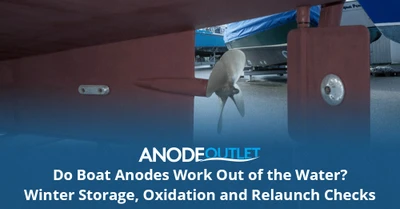
Hull Anodes
Hull Anodes for Boats and Underwater Metalwork
Choose hull anodes to help protect your boat's underwater metalwork from galvanic corrosion. At Anode Outlet, our range includes aluminium, magnesium and zinc hull anodes, with bar, pear, bolt-on and weld-on options, alongside hanging anodes for suitable moored applications.
Whether you are replacing anodes during a lift-out, maintaining a steel narrowboat or checking the protection of a yacht's stern gear, the right choice depends on the water, hull construction and metalwork being protected. Browse our ranges from brands including MG Duff and Tecnoseal, and compare the alloy, dimensions and mounting details before ordering.
What Is a Hull Anode and How Does It Work?
A hull anode is a sacrificial metal component installed below the waterline and electrically connected to the metal it is intended to protect. Made from a purpose-designed alloy, it corrodes in preference to that metal. This process is known as cathodic protection.
Galvanic corrosion can occur when different metals are electrically connected in water. On a metal boat, a correctly designed anode system helps protect the immersed hull and specified components. On a fibreglass boat, hull-mounted anodes can protect electrically bonded underwater fittings, such as parts of the propeller shaft and stern gear. The fibreglass hull itself does not need sacrificial protection.
Effective protection relies on the complete installation: anode material, capacity, position and electrical continuity all matter. Simply attaching an anode to the outside of a boat does not establish protection for every fitting.
Choosing Aluminium, Magnesium or Zinc Hull Anodes
Start with the water where your boat is normally kept. Fresh water, salt water and brackish water conduct electricity differently, which affects how each anode alloy performs. Brackish water is a mixture of fresh and salt water, often found in estuaries and some enclosed marinas.
| Anode material | Usual water suitability |
|---|---|
| Aluminium | Salt water and brackish water |
| Magnesium | Fresh water, subject to vessel suitability |
| Zinc | Salt water |
Use this as a starting point and follow the vessel and anode manufacturer's specifications. Hull material and the existing protection system also influence suitability. Review your anodes if you change moorings or spend extended periods in a different type of water.
Aluminium Hull Anodes
Aluminium hull anodes are suitable for saltwater and brackish water applications. They are worth considering for boats kept in estuaries and other locations with varying salinity. These anodes use a specially formulated sacrificial aluminium alloy, with performance characteristics different from ordinary aluminium.
Magnesium Hull Anodes
Magnesium hull anodes are generally selected for suitable freshwater installations, including steel narrowboats and other craft kept on inland waterways. Magnesium provides a higher driving voltage for less conductive water. It is unsuitable for salt water, where rapid consumption and overprotection can occur. MG Duff advises against magnesium anodes on wooden-hulled boats.
Zinc Hull Anodes
Zinc hull anodes are a traditional option for boats kept in salt water. They are not a suitable default for fresh or brackish water, where surface deposits can reduce their effectiveness. Check the intended operating environment before replacing an existing zinc anode with another of the same type.
Shop Hull Anodes by Shape and Fitting Type
The anode's shape and mounting method are separate considerations. Bar and pear describe the body profile, while bolt-on and weld-on describe how the anode is secured. Compare both when matching a replacement to your boat.
Bar Anodes
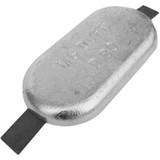
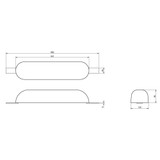
Bar anodes have an elongated body and are available in different alloys, sizes and fixing arrangements. Check the overall length, width, height and mounting dimensions against the existing installation, as similar-looking bars can have different capacities and fixing centres.
Bolt-On Hull Anodes
Bolt-on hull anodes attach to suitable studs or mounting bolts, allowing the sacrificial element to be replaced during maintenance. Match the fixing-hole spacing, hole size and mounting arrangement. On fibreglass and wooden boats, the installation must also provide the specified bonding connection and watertight hull fixings.
Pear Anodes
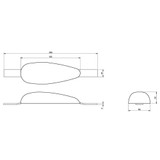
Pear anodes have a rounded, tapered profile and are available with different mounting arrangements. Our range includes bolt-on and weld-on designs. When replacing a pear-shaped anode, confirm the alloy, dimensions and fitting details using the product specification or technical drawing.
Weld-On Hull Anodes
Weld-on hull anodes incorporate a metal core or strap designed to be welded to a compatible structure. They are used on suitable metal-hulled vessels. Confirm that the insert material and welding arrangement suit the hull; installation should follow the manufacturer's instructions and be carried out by someone competent in marine welding.
Hanging Anodes for Moored Boats
Hanging anodes are lowered into the water on a conductive cable connected to the metalwork they are intended to protect. They can provide supplementary protection while a boat is moored, provided the alloy, position and electrical connection are suitable.
A hanging anode needs a reliable electrical path to the protected components. Attaching its cable to an unconnected railing or leaving it suspended beside the hull will not establish that connection. Its use should be assessed alongside the boat's existing anode system.
- Aluminium hanging anodes – for suitable saltwater and brackish water applications.
- Magnesium hanging anodes – for suitable freshwater applications.
- Zinc hanging anodes – for suitable saltwater applications.
Check whether the product includes a cable and connection kit or is a replacement anode only. Retrieve and securely stow hanging anodes before starting the engine or getting underway. For more information, read our guide to fitting hanging anodes.
How to Choose the Right Hull Anode Size
A replacement must suit both the mounting position and the boat's protection requirements. Before ordering, check:
- Alloy: choose the specified metal for the water conditions and vessel.
- Dimensions: compare the overall length, width and height, including any projecting straps.
- Fixing details: measure bolt centres and hole sizes, or confirm the weld-on insert specification.
- Capacity and quantity: follow the protection scheme for the metal surface area, coating condition and intended time afloat.
- Existing part number: use it to identify a replacement, then confirm the current specification.
Boat length alone does not determine how many hull anodes are needed. A steel hull and a fibreglass hull of the same length have different requirements. Anode weight also needs to be considered alongside alloy performance, since equal weights of different anode metals do not provide identical capacity.
Hull Anode Installation and Electrical Bonding
Electrical bonding connects an anode to the metal components it is intended to protect. On a fibreglass boat, this connection normally uses the specified wiring and mounting system. On a metal hull, the approved mounting arrangement must provide the required electrical continuity.
- Follow the fitting instructions for your hull material and individual anode.
- Position the anode below the waterline where it can protect the intended metalwork.
- Keep electrical contact points clean and secure.
- Use the specified backing pads, fasteners and sealing arrangements.
- Keep the working anode surface free from paint and antifouling.
Changing the bonding layout or adding anodes can alter the protection system. Seek competent advice if the existing arrangement is unclear, particularly on aluminium or wooden boats.
When Should Hull Anodes Be Replaced?
Inspect hull anodes at each lift-out and regularly where access permits. A common manufacturer guideline is to replace them when approximately 50% of the sacrificial material has been consumed. Replace sooner if damage, looseness or deteriorated connections prevent reliable operation, and follow any product-specific instructions.
Record wear between inspections. A sudden increase in consumption can indicate changed water conditions, an unsuitable alloy or an electrical problem. An anode that remains almost untouched may also need investigation, especially if nearby metalwork is corroding.
Hull Anode FAQs
Do fibreglass boats need hull anodes?
Fibreglass does not suffer galvanic corrosion, but the boat's underwater metal components can. A hull-mounted anode may protect specified fittings through the bonding system. The correct arrangement depends on the boat's equipment and construction.
Which hull anodes should I use on a freshwater narrowboat?
Magnesium anodes are generally used on steel narrowboats kept in fresh water. Their number, size and location should match the vessel's protection requirements. Review the arrangement before extended use in brackish or salt water.
Can I mix zinc and aluminium hull anodes?
Avoid mixing different sacrificial alloys within the same electrically connected protection system unless its manufacturer specifies otherwise. When changing alloy, review the connected anodes together to maintain a compatible arrangement.
Can a hanging anode replace permanently fitted hull anodes?
Do not assume it can. A hanging anode may supplement a system while moored, but its suitability depends on capacity, positioning and electrical continuity. It cannot provide protection when retrieved, and a single hanging anode should not be assumed to protect an entire hull.
Should hull anodes be painted with antifouling?
No. Leave their working surfaces exposed to the water. Paint and antifouling can interrupt the electrochemical process and reduce protection. Protect the anodes from accidental coating during hull maintenance.
Will adding more hull anodes solve rapid corrosion?
Additional anodes will not correct a broken bonding connection or an electrical fault. Rapid metal loss or unusually fast anode consumption should be investigated by a competent marine technician or electrician so the cause can be addressed.
Find Replacement Hull Anodes at Anode Outlet
Shop our hull anodes by metal, shape and mounting type to narrow down a suitable replacement. If you need help comparing products, have your hull material, water type, existing part number and fixing measurements ready. Call 01634 568011 or email info@anodeoutlet.co.uk for help choosing from the range.